Creative Strategy
4 reasons why hiring more creators doesn’t fix bad ad performance
We need more creators! Make them make content for us! Now!

Silja
•
3 min
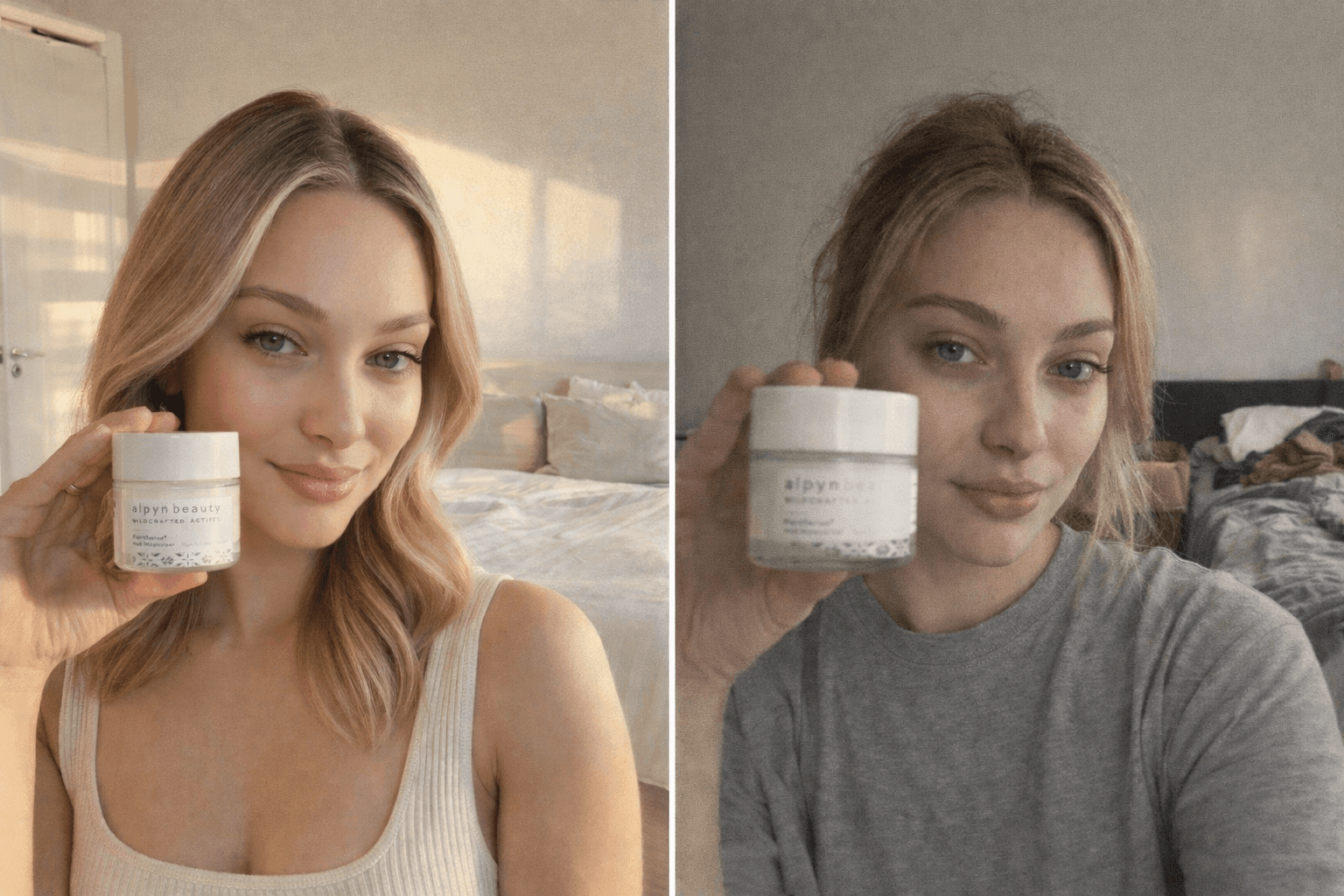
DTC brands feel pressure to create a lot of content, so they ask creators or videographers to produce content with barely any direction. The brief is usually something like “make it look good” or “talk about the product naturally and authentically” and then literally E-VER-Y-ONE hopes the outcome somehow performs. But the truth is: You give away the MOST important part of the entire ad: The direction. Meaning you will never compete with the big brands out there, if you don't change that.
Here are the 4 reasons why hiring more creators or producing more videos rarely fixes performance when direction is missing.
1. Having NO script at all!
A lot of brands simply don’t have the time or energy to tell creators exactly what to do in front of the camera or what videographers should capture. So they default to something vague and hands-off.
That’s basically saying:
“We’re okay with giving up control over the hook, the message, and the outcome, as long as we don’t have to think about it.”
Which is wild, because those first seconds of a video decide whether anyone keeps watching, clicks, or buys.
When you don’t direct the video, you’re not being flexible. You’re handing over the key driver of revenue and hoping for the best. Someone needs to decide what the video is trying to achieve before it’s filmed, no matter who executes it.
2. A script is not automatically a good script
Let’s say you do write a script for the creator to film. That’s already better than nothing… but then the real question starts.
How did that script come together?
Was it based on what’s actually working right now across paid ads and organic content, or was it written from the inside out with brand language that sounds nice but doesn’t stop anyone from scrolling?
Look, there is a big difference between these script hooks, right?
“This is a great product for wrinkly skin”
and
“If you’re over 30 and your skin looks tired and wrinkly, listen up.”
One of these sounds boring. The other one actually pulls attention. The GOOD thing is, you don’t have to guess anymore. Tools like MagicBrief, AdSpy, PiPiAds, and simple organic research show you EXACTLY how ads are being framed right now. The language, the pacing, the tone. This isn’t rocket science anymore, but you do have to look on other ads before you start.
3. No visual direction kills performance
Even with a strong script, creators rarely give their absolute best in front of the camera, if they’re only expected to read it and get through it. When there’s no visual action attached to the words they are saying, the video will be so boring. Almost like a school presentation where the goal is to say the line correctly and move on.
Let's say you want the creator to say this in front of the camera:
“If you’re over 30 and you have wrinkly skin, listen up!”
You know exactly what’s going to happen. The creator will look into the camera and say it as if they’re reading from a book. Freefall for everyone involved. What actually works is giving unmistakable direction around the moment, setup, outfit and movements! Now imagine the same hook, but the creator gets guidance like this instead:
Wear an off-shoulder top and enhance your neckline glow with a bit of oil. Film in natural sunlight with the light hitting your face nicely and wear noticeable jewelry. While saying the hook, tap the product on the table three times, be expressive, and slightly bold:
“If you’re over 30 and you have wrinkly skin, listen up!”
The words didn’t change at all, but the outcome will! This could be a video straight from TikTok and people WILL listen in. This is how you get the most out of creators, and it’s something that needs to run through the entire script, not just the hook. Every section should come with context around tone, movement, and visual intent. That’s what turns a script from something that’s read into something that actually performs.
4. Editing can either save or destroy everything
The last piece is editing the videos. The goal is to make sure the message actually survives the platform it’s shown on.
Captions or headlines are a good example. A lot of brands don’t realize how important they are until they see them done wrong. Many viewers rely on captions or headlines to understand what’s going on, especially when they’re scrolling quickly or don’t have sound on. If captions are placed too low on the screen or stretched too wide, parts of the text get covered by buttons, usernames, or icons. Even if the creator is saying the right thing, the viewer can’t fully read it, looses interest and scrolls on.
Pacing is another one that’s easier to understand when you think about how different people watch videos. Older audiences enjoy a slower, calmer rhythm. Gen Z need faster cuts to stay engaged. If the edit is too slow for the person watching, it feels like waiting. If it’s too fast, it feels overwhelming. In both cases, the video becomes uncomfortable to watch, even if the script itself is solid.
Music also plays a bigger role than most people expect. If it’s too loud, it competes with the voice and makes the video hard to follow. If it doesn’t match the mood or feels off, the whole ad starts to feel awkward. These are small choices on their own, but together they strongly influence whether someone keeps watching or not.
The takeaway
Hiring more creators or producing more videos won’t fix performance on its own. What makes the difference is direction Someone has to decide what the hook should feel like, how the message should be delivered, what the video should look like, and how it should be edited.
If you’re looking for clearer creative direction, She Said Creatives offers strategy sessions focused on identifying where ads lose clarity and how they can be structured more intentionally. This usually includes reviewing existing creatives, messaging, and overall direction. You can contact them here.
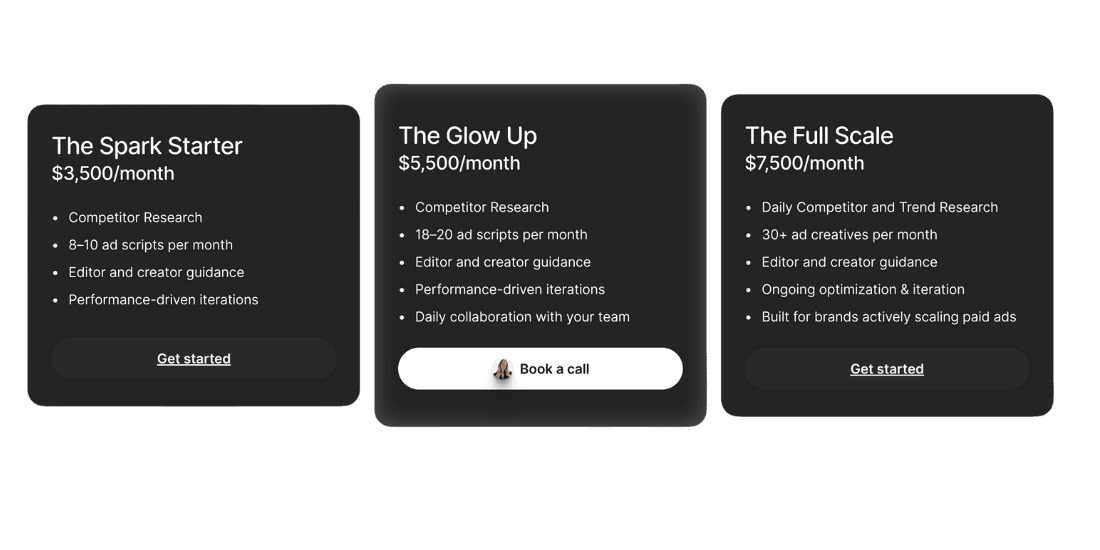
For those who want to understand the investment first, pricing and package options are outlined below and through this link.